With years of experience in the West Texas petroleum industry, we understand the unique challenges and demands of oil transportation and logistics.
Rescue Techniques in H2S
Rescue Techniques in H2S
Situation
Assessment and Safety Measures
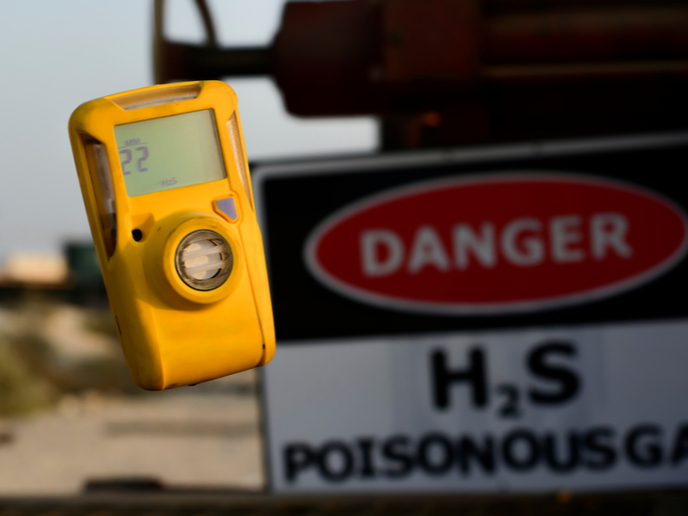
Utilize portable gas detection devices to continuously monitor H₂S levels in the environment, ensuring timely data for decision-making during rescue operations.
Evaluate the H₂S concentration
General Industry Ceiling Limit: 20 ppm
General Industry Peak Limit: 50 ppm
victim locations before starting the rescue.
Assessment of Surroundings
Conduct a thorough evaluation of the incident site to identify potential victim locations, considering factors such as wind direction, terrain, and accessibility.
Utilization of Technology
Employ drones or thermal imaging cameras to locate victims in hazardous environments, enhancing visibility and safety for rescue teams.
Victim Behavior Analysis
Observe signs of victim movement or distress to determine their last known positions, aiding in prioritizing rescue efforts and resource allocation
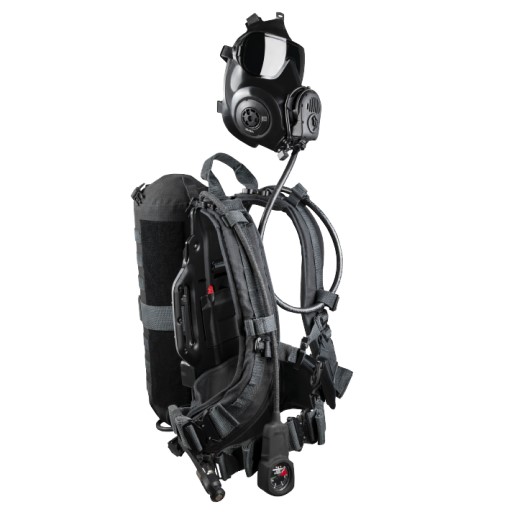
Importance of SCBA Usage
Compliance with Safety Regulations
Protection Against Toxic Exposure
Enhanced Operational Safety
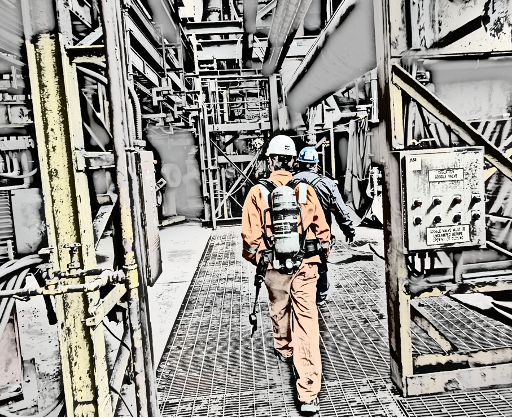
Safe Entry and Exit
Enter in teams
Maintain visual contact
Ensure clear exit routes
Cardiopulmonary Resuscitation (CPR)
Rescuers should be trained in CPR to assist victims who have stopped breathing or have no pulse.
CPR Training
Use of AED's
Communication and Coordination
Clear Communication
Maintain constant communication between rescuers, emergency personnel, and supervisors.
Coordination with Emergency Services
Work with local emergency services for a rapid and efficient response.
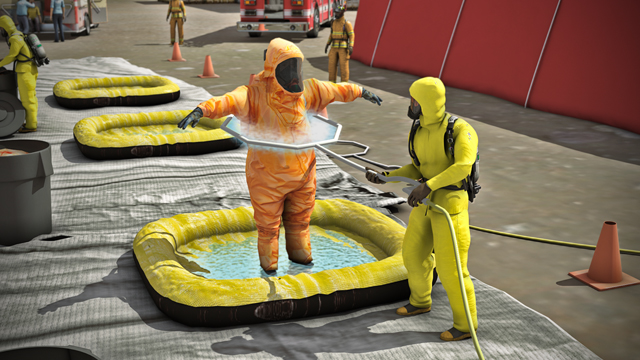
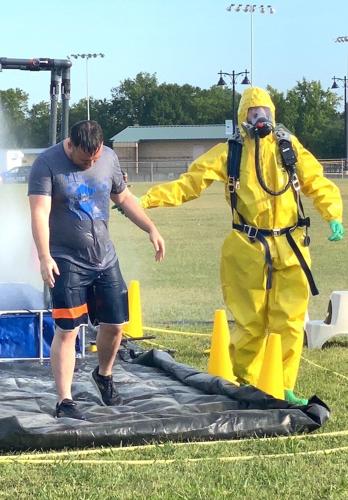
Decontamination EQUIPMENT
Use emergency showers and other equipment to ensure everyone is free of contaminants.
Follow procedures to remove H₂S residue from rescuers and victims after the rescue.